Spacewalkers install seventh new solar array on International Space Station
NASA's Anil Menon and the Canadian Space Agency's Joshua Kutryk spent more than seven hours outside the station. One array is left to install.
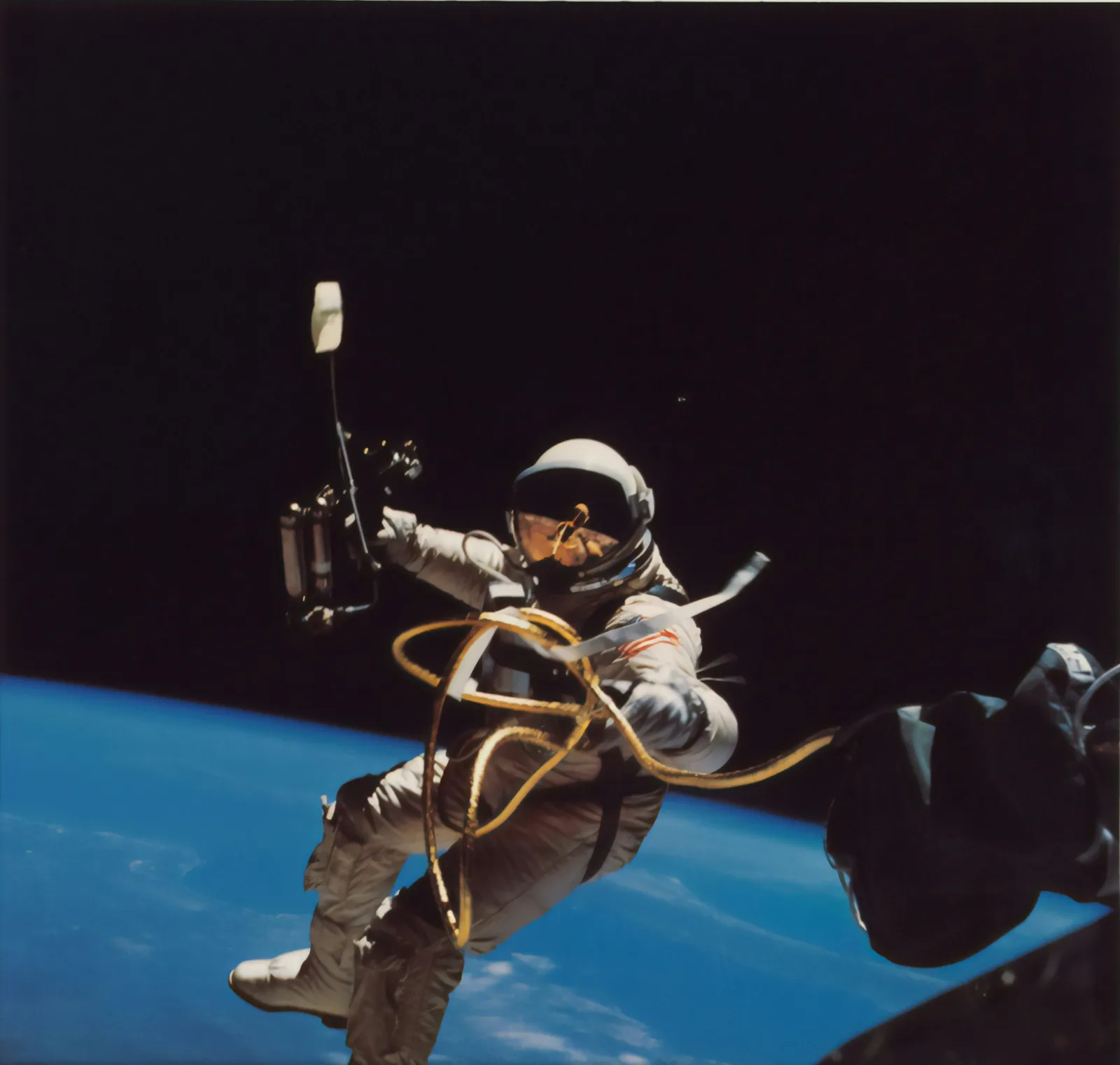
NASA astronaut Anil Menon and Canadian Space Agency astronaut Joshua Kutryk have finished a spacewalk of 7 hours and 11 minutes outside the International Space Station, according to ScienceDaily, citing materials provided by NASA. The report says they finished at 3:08 p.m. EDT.
During the spacewalk, the two astronauts installed and deployed a new International Space Station Roll-Out Solar Array, known as IROSA, on the station's 2A electrical power channel. ScienceDaily reported that this is the seventh array of its kind added to the station.
The astronauts also did several preliminary tasks to prepare for another spacewalk, which the report says is scheduled for Thursday, Nov. 5. On that spacewalk, astronauts are due to install the eighth and final array on the station's 3B power channel. According to the report, NASA plans to start live coverage at 6:45 a.m.
Why it matters
The new arrays are part of a major upgrade to the station's power system. ScienceDaily reported that the extra electricity supports essential operations, including the station's eventual safe and controlled deorbit.
Once the final array is in place, the solar power expansion will be complete, according to the report. Together, the eight new arrays will increase the station's available power by as much as 30%, raising its electricity generation capacity from 160 kilowatts to about 215 kilowatts.
The spacewalk was also a milestone. ScienceDaily said it was designated U.S. spacewalk 100. It was Menon's fourth spacewalk and Kutryk's first. The report added that it was the 285th spacewalk carried out to support the assembly, maintenance and improvement of the station.
What is not known yet
The report does not give the date of the completed spacewalk. It also does not say what the preliminary tasks for the next spacewalk involved, or which astronauts will carry out the Nov. 5 work.
The report does not say when the station's deorbit is expected to take place, or how much of the extra power will go toward it. It also does not explain why the expected power increase is described as "as much as" 30% rather than a fixed figure.
This story rests on a single report from ScienceDaily, which notes that its article is based on materials provided by NASA and may have been edited for style and length.