Study says Van Gogh's The Starry Night shows the real sky over Saint-Rémy
South Korean researchers matched the painting's Moon, Venus and star cluster to the actual 1889 sky and say it fits a July date, Universe Today reported.
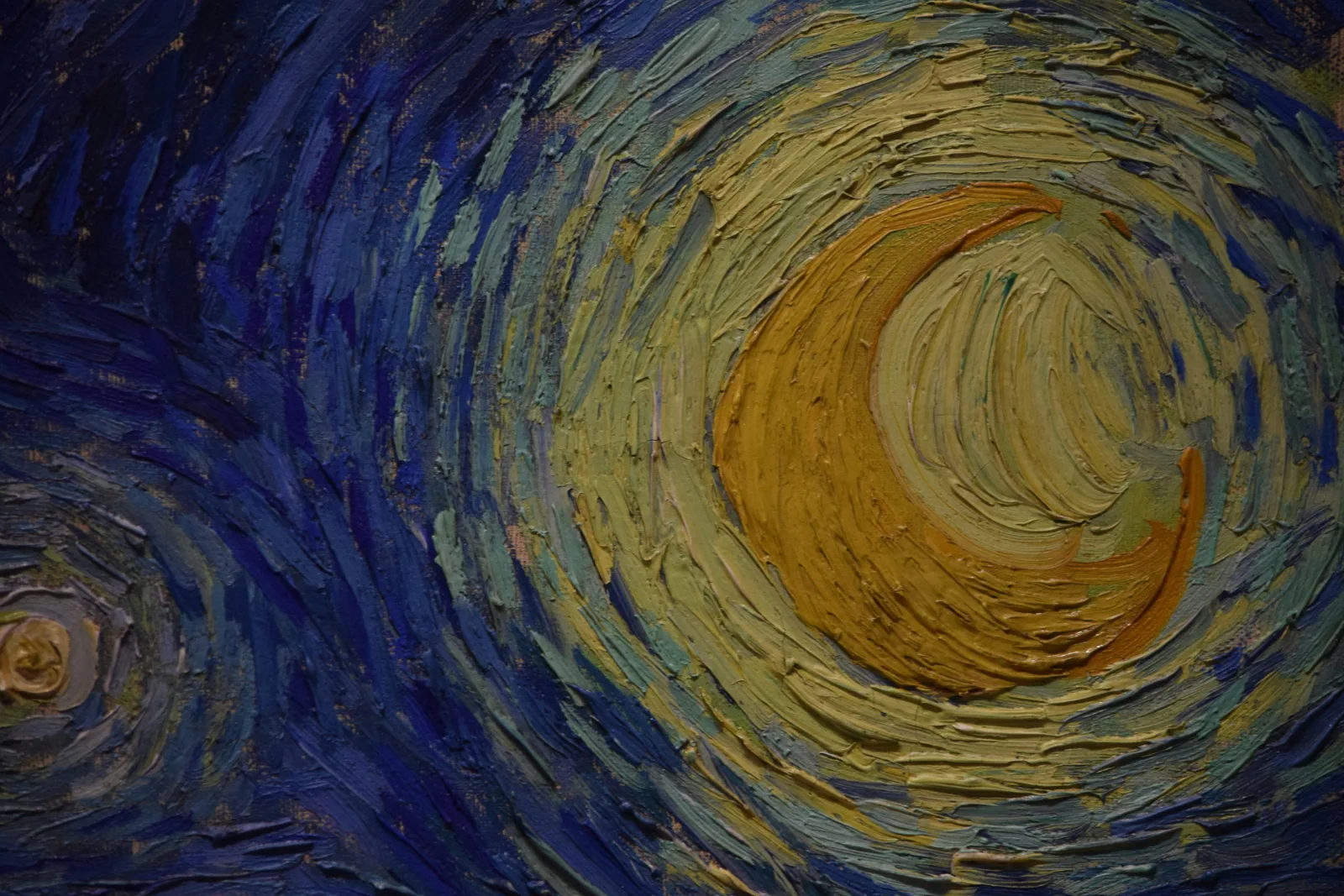
Vincent Van Gogh's The Starry Night may show the actual night sky over Saint-Rémy rather than an imagined one, according to Universe Today, which reported on a study published in Scientific Reports. This story rests on that single report.
The study was carried out jointly by SLLAB, a South Korean telescope maker, and the School of Space Research at Kyung Hee University. Its first author, Elijah Jeong-hyun Kim, is the CEO of SLLAB and a Ph.D. candidate at the university.
The researchers worked out the dates on which a crescent Moon, the planet Venus and the Hyades star cluster would have appeared close together in Van Gogh's view, as they do in the painting. The painting has traditionally been dated to June 18, 1889, based on a letter Van Gogh wrote to his brother. Universe Today reported that the Moon was in its waning gibbous phase on that date, which does not match the thin crescent in the painting.
On July 22, the Moon was a crescent, and the Hyades would have been rising in the east alongside Venus, the outlet reported. That date was once thought to fall during one of Van Gogh's seizures. The team compared the original French and Dutch letters and concluded that the seizure began in late July.
The researchers made two field trips to France in 2019. They used on-site photographs taken in Arles and found the spot in Saint-Rémy where Van Gogh drew the landscape. A statistical shape analysis matched the five central stars in the painting to the Hyades. According to Universe Today, the match was even closer in a pen drawing Van Gogh made after finishing the painting.
"To an observational astronomer, the cluster of stars in The Starry Night is the Hyades in Taurus," Kim said. Earlier studies had identified the cluster as Aries.
The work matters because, as Universe Today put it, the results suggest the sky in the painting came from real observation and not only from feeling. Astronomical studies of the painting began in the mid-1980s, with work by art historian Albert Boime and astronomer Charles Whitney. The two reached conflicting conclusions. The outlet said no later study had looked at the painting using observational geometry.
The team says the method could be used on other historical night paintings. It has already applied it to Café Terrace at Night, painted in 1888, and found a possible match to the Summer Triangle.
“I hope this work prompts a renewed, multidisciplinary look at the sequence and working methods of the Saint-Rémy paintings, and at Van Gogh's movements that summer.”Elijah Jeong-hyun Kim, first author
Several things are still unclear. Universe Today did not report how art historians or other astronomers have responded to the findings. The Café Terrace result is described only as a possible match. Kim said the team plans to study Van Gogh's other skies next, but the report did not say which paintings or when.