NASA's Perseverance rover sets record for distance driven on another world
The Mars rover reached 45.22 kilometers of total driving on Oct. 11, 2026, according to ScienceDaily, after pausing near the mark to study ancient rocks.
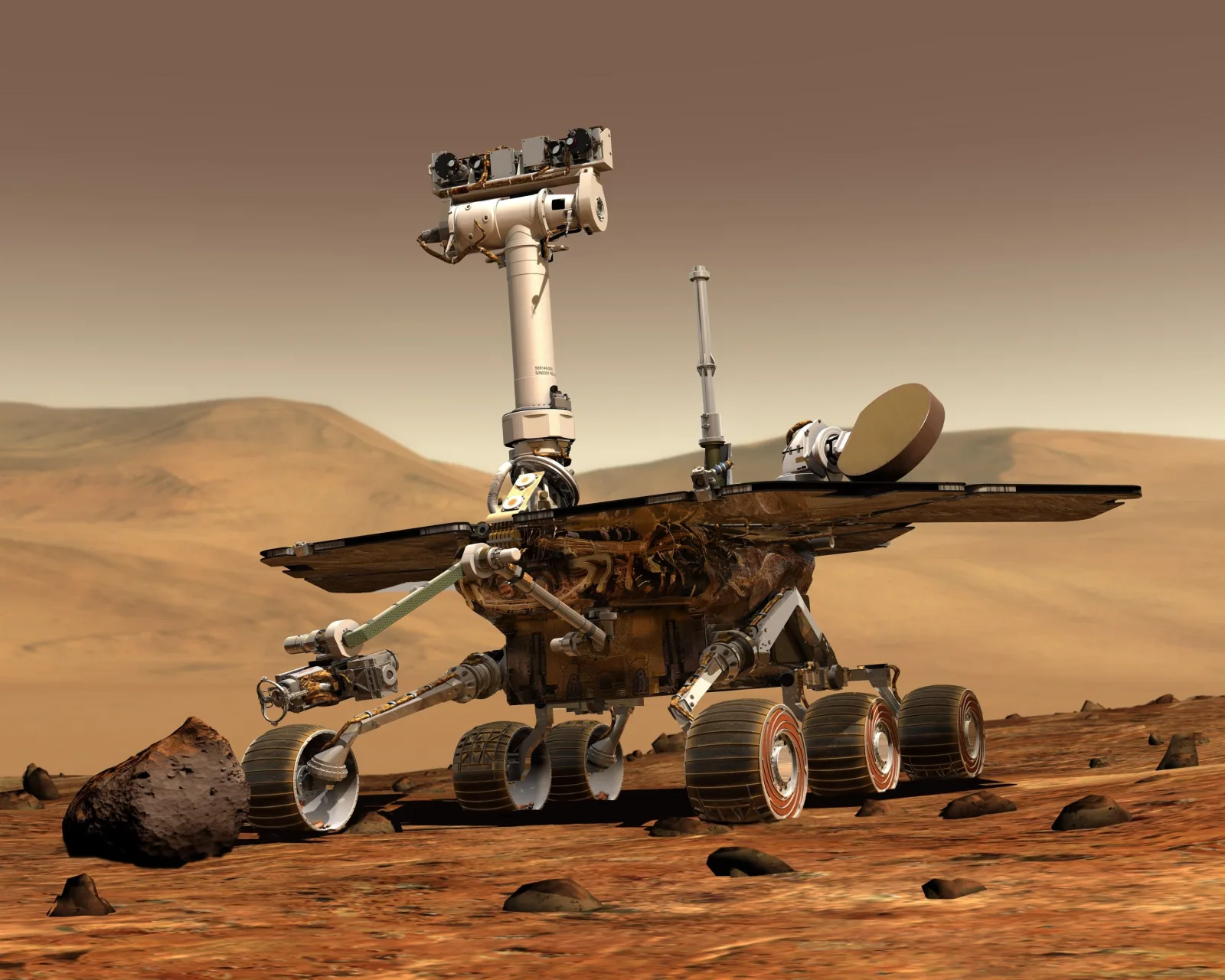
NASA's Perseverance rover has driven farther across another world than any vehicle before it, according to ScienceDaily. On Sol 2006 (Oct. 11, 2026), the rover's total driving distance reached 45.22 kilometers (28.10 miles), setting a new record for travel on another celestial body.
ScienceDaily's article is based on material provided by NASA and written by Vandi Verma, Chief Engineer for Robotic Operations at NASA's Jet Propulsion Laboratory. It reports that Guinness World Records recognized the achievement and presented a commemorative plaque to Perseverance's engineering twin on Earth.
The rover nearly reached the record about two months earlier. On Sol 1947 it was 200 meters short, a distance it could have covered in one drive using its Autonomous Navigation (AutoNav) system. Instead, the team kept it in an area of scientifically valuable ancient rock formations. For weeks it made short trips between sites, grinding away thin layers of rock and taking close-up measurements. When that work was done, it moved on and passed the record.
The milestone matters because of what engineers learned along the way, according to the report. Driving through tightly packed boulder fields and across steep hillsides helped NASA improve how the rover handles hazardous ground. After thousands of computer simulations, engineers raised the tilt the rover can tolerate to 24 degrees and reduced the minimum clearance under its protective belly pan to 20 centimeters (about 7.9 inches).
Other changes include updated braking software to help avoid hitting rocks, nearly doubled electrical current limits for the steering motors, and "dynamic slip tables" in the flight software that help the rover anticipate how much its wheels may slip.
ScienceDaily describes a system called onboard Global Localization (GBLC) as one of the most significant advances. It lets Perseverance work out its position on Mars without directions from Earth by comparing surface images with pictures taken from orbit. It runs on a commercial processor originally installed in the Ingenuity Helicopter Base Station. That processor was not designed for the radiation on Mars, which can cause "transient bit flips" in memory, so engineers built software protections to keep it working reliably.
NASA is also studying whether generative AI could help plan driving routes for the segments of longer journeys, giving guidance that AutoNav could then use, the report says.
Several questions remain open. The article does not say which vehicle held the previous record or what that distance was. It does not give a timeline for using generative AI on the rover, or say how well the radiation protections for the GBLC processor have worked so far. It says only that Perseverance is continuing to climb along the rim of its crater and that NASA is preparing for further advances in autonomous exploration.
This story relies on a single report, from ScienceDaily.