Researchers map where ancient Martian rain may have delivered formaldehyde
A simulation suggests some regions, including Tharsis and Elysium, received about ten times the global average of a molecule linked to early life chemistry.
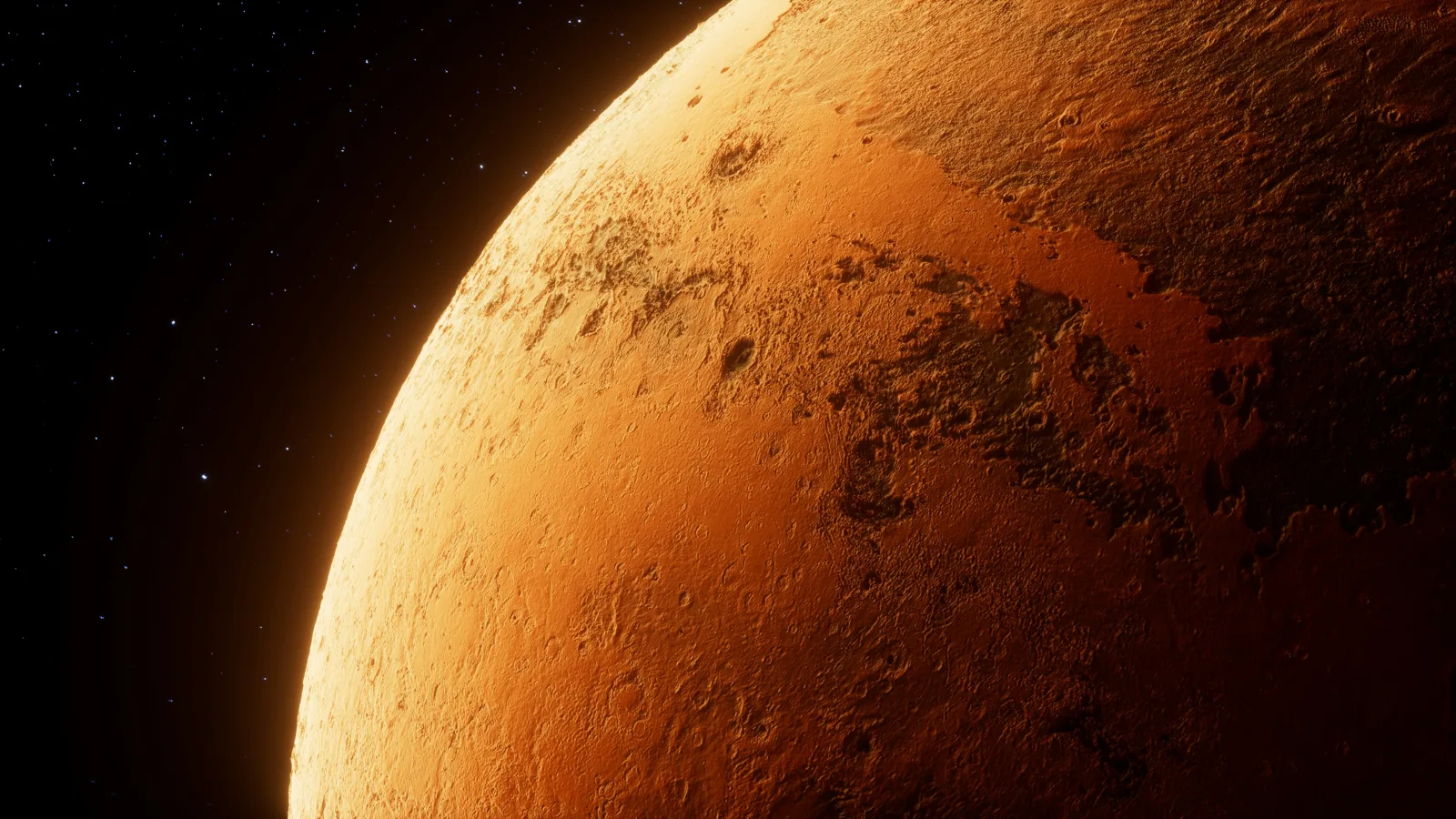
A research team led by scientists from the Institute of Science Tokyo has produced a global map showing where ancient rain on Mars may have delivered formaldehyde, a molecule tied to the chemistry that can lead to life, according to Universe Today.
The study was led by Dr. Shungo Koyama, an astrobiologist at the Institute of Science Tokyo and a research fellow at Tohoku University, Universe Today reported. Researchers from the University of Tokyo, the University of Washington and the Royal Belgian Institute for Space Aeronomy also took part. The work appeared in The Planetary Science Journal.
The team simulated conditions on Mars in the late Noachian and early Hesperian periods. According to Universe Today, scientists now agree the planet was warmer and wetter between 3.5 and 4.1 billion years ago. The researchers looked at how temperature, water vapor, atmospheric pressure and ultraviolet light affected the formation of formaldehyde.
Their simulation showed that ultraviolet light breaking apart water in the Martian atmosphere would release reactive hydrogen needed to form formaldehyde, which would then fall to the surface in rain. Because water shaped both how the molecule formed and where it went, the team proposed that the planet's ancient water cycle may have decided where it built up.
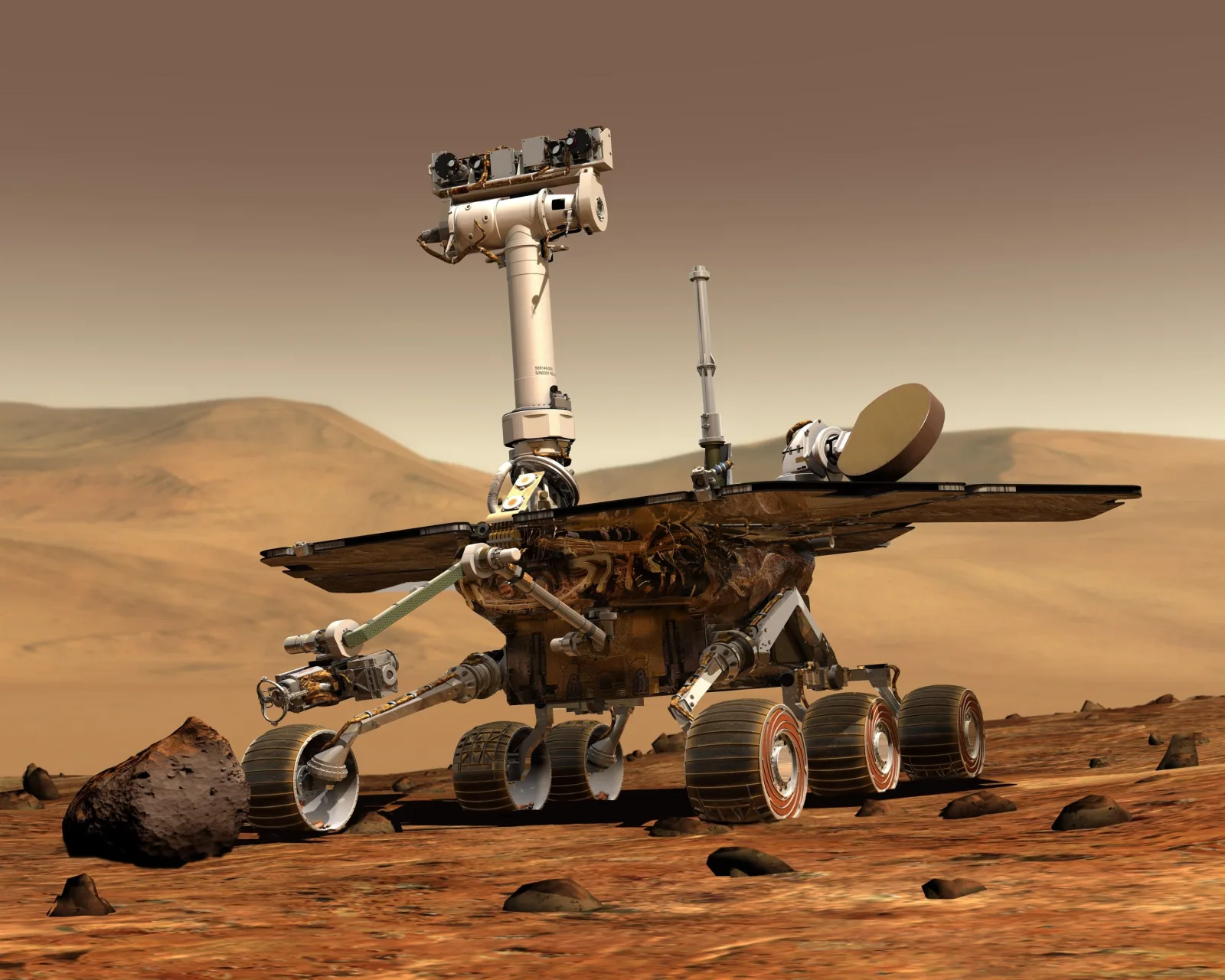
The researchers then compared these possible hotspots with the landing sites of past Mars missions. Mountainous regions such as Tharsis and Elysium stood out, receiving about ten times the global average, Universe Today reported.
The finding matters because formaldehyde, when combined with water, can act as a starting point for reactions that produce sugars, amino acids and other complex organic molecules that give rise to life, according to the report. The map could help choose landing sites for future robotic and crewed missions looking for signs of past life.
“By comparing our map with findings from rovers, we can begin to test whether places that received more H₂CO were also more favorable for early life-related chemistry. If future observations confirm this relationship, our map could help identify promising targets for future Mars missions.”Dr. Shungo Koyama, Institute of Science Tokyo
Much is still unknown. The study does not show how much formaldehyde remains on the Martian surface today, Universe Today noted. The link between areas that got more formaldehyde and conditions better suited to early life chemistry has not yet been confirmed by observations. As Koyama's comments make clear, that link still has to be tested against rover findings.
This story is based on a single report from Universe Today, which cited Tohoku University and The Planetary Science Journal as further reading.