NASA's Roman Space Telescope camera beats its image quality target by nearly 30%
ScienceDaily reports that tests and tiny mirror adjustments left Roman's main camera sharper than engineers predicted before launch.
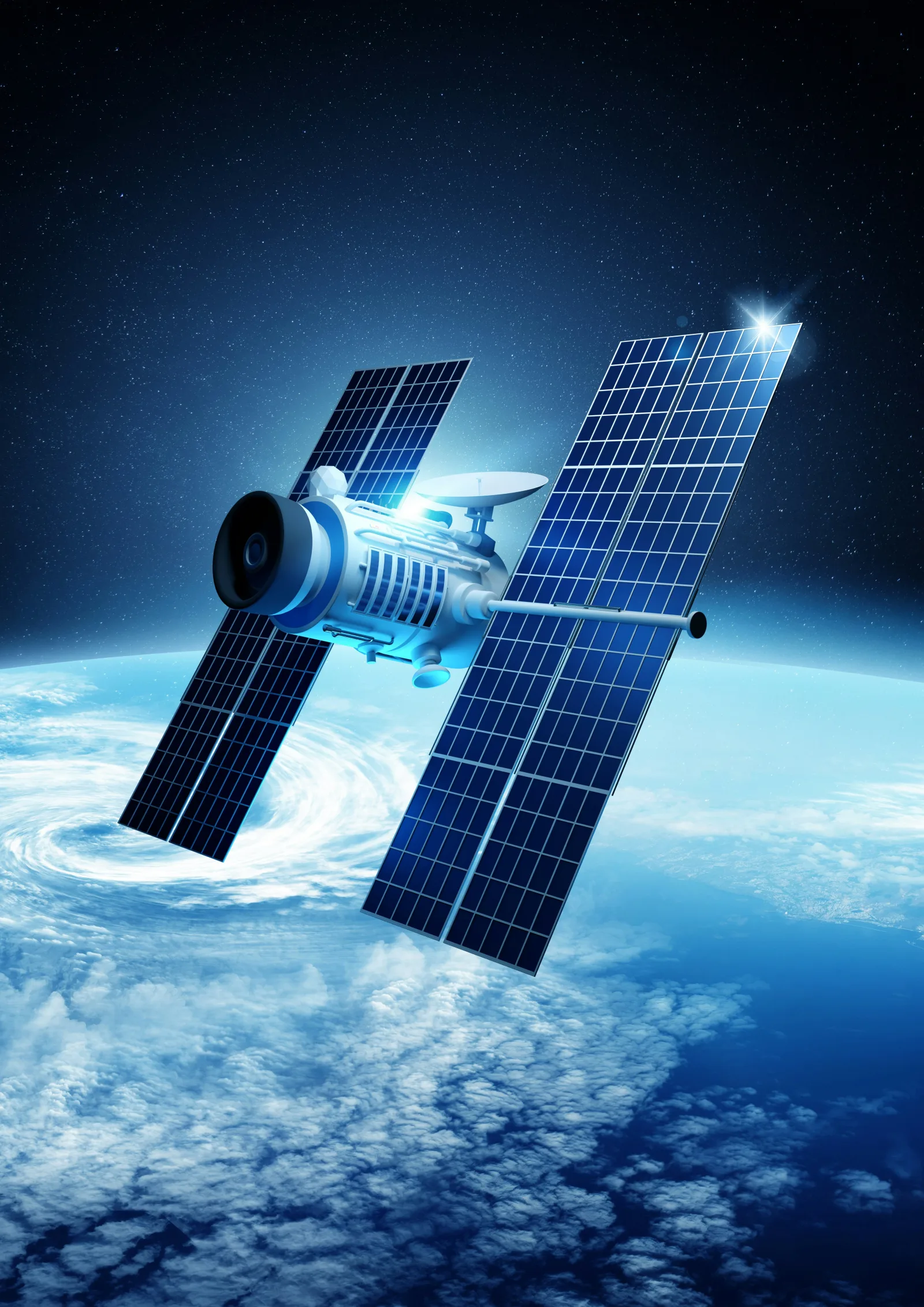
NASA's Nancy Grace Roman Space Telescope is producing sharper images than its engineers predicted, according to ScienceDaily, which published material provided by NASA. After a series of tests and small adjustments, the telescope's main camera, the Wide Field Instrument, is delivering image quality nearly 30% better than expected, the report said.
Before launch, engineers set an image quality requirement of about 90 nanometers RMS (Root Mean Square), a measure of how much optical error is in the system. After the latest corrections, they measured an optical error of 63 nanometers RMS, according to the report.
The change needed to get there was very small. Alden Jurling, a senior optical engineer working on Roman at NASA's Goddard Space Flight Center, said the team moved the secondary mirror "by about one-sixteenth of the diameter of a human hair."
Roman launched on August 30 and the Wide Field Instrument was switched on in September, the report said. Engineers then tested the instrument's 18 detectors, a rotating wheel of filters, an internal calibration system that uses LEDs, the alignment mechanism and the thermal control system.
The result matters because Roman's surveys depend on this camera. The report describes the mission's goals as studying dark matter, dark energy and other mysteries of the universe.
“Many of the mission's primary goals, like studying dark matter and dark energy, wouldn't be possible without it, so it's both exciting and a huge relief to see that it's working well!”Dave Hickey, Wide Field Instrument systems engineer, NASA Goddard
Matthew Bolcar, Roman's optical systems lead at Goddard, said the telescope performed well even before the adjustments began. He credited testing and modeling done at Goddard and by the contractors L3Harris and BAE Space and Mission Systems. The report noted that launch forces can shift sensitive equipment and that ground tests could not fully reproduce conditions in space.
Roman's second instrument, the Coronagraph Instrument, had been producing slightly out-of-focus images. According to the report, the problem was less severe than engineers expected and was fixed, and the coronagraph now meets the team's performance expectations.
Some questions are still open. The coronagraph's ability to block unwanted light, which it needs to observe faint objects near much brighter ones, has not yet been tested. The report says that testing is planned in the coming weeks. Engineers are also still adjusting the coronagraph's camera settings and working out the best configurations for its deformable mirrors.
The report does not say when Roman will begin routine observations. It also rests on material supplied by NASA and does not cite any independent assessment of the results.