Serbian opposition wins outright majority, ending Vučić's long role as the EU's main contact
Politico reports that the Student List, a movement that grew out of protests, plans to reset Serbia's ties with Brussels but has not named EU membership as an immediate goal.
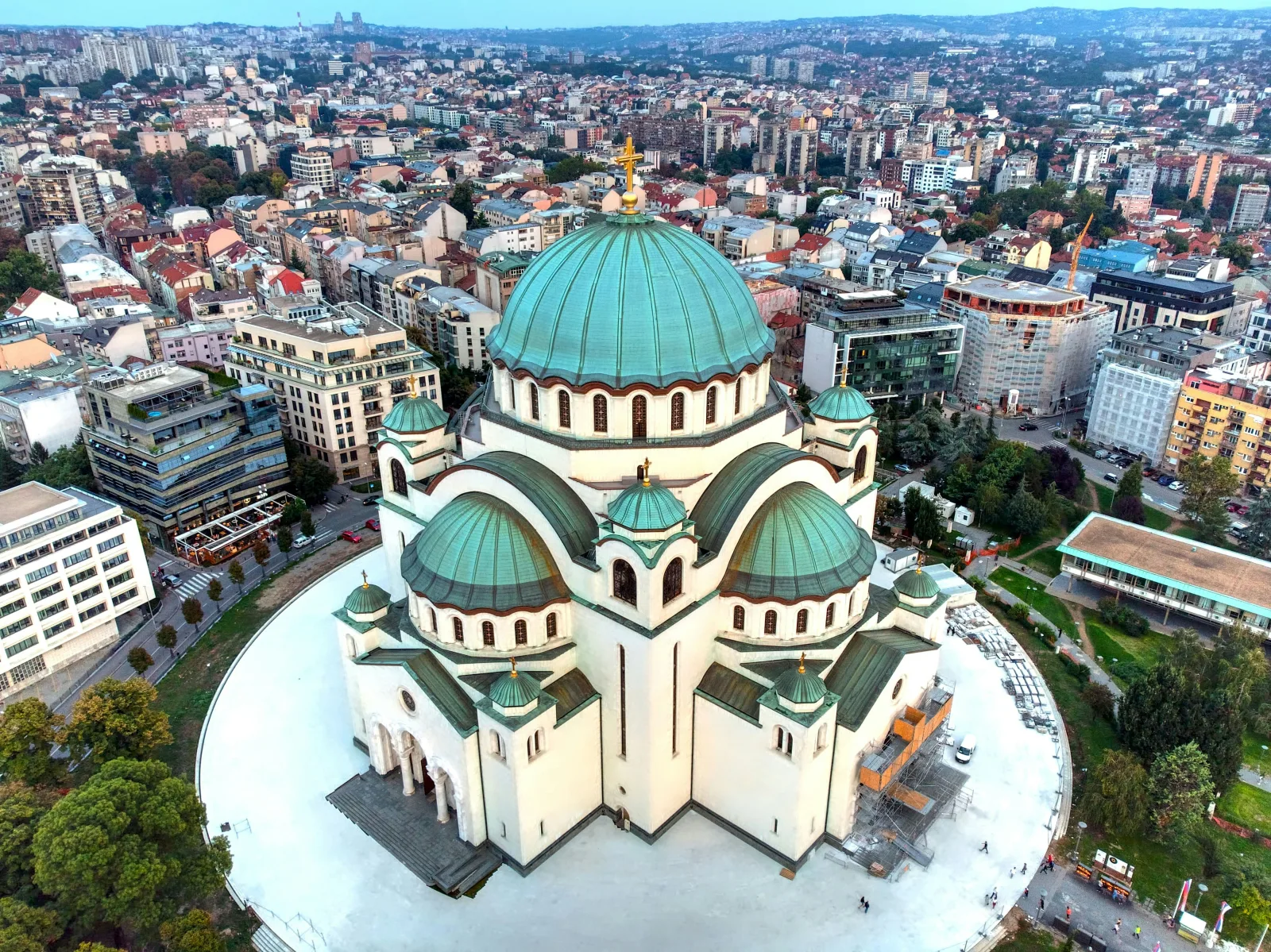
Serbia's opposition Student List won an outright parliamentary majority in a landslide on Sunday, according to Politico. Politico reported that the result ended Aleksandar Vučić's 12-year run as the European Union's key interlocutor in Serbia.
This story is based on a single report, from Politico.
The Student List grew out of a mass protest movement that began after a railway station roof collapsed in 2024 and killed 16 people. Students blamed the deaths on corruption in state construction contracts and began blockading universities. Within months, Politico reported, the protests were the largest Serbia had seen in decades. Politico described the new majority as made up largely of professors, doctors and other political novices.
According to Politico, the party's first priority will be undoing much of the legacy of Vučić and his Serbian Progressive Party (SNS), starting with reversing years of rule-of-law rollbacks. It also plans to reset relations with Brussels. The Student List argues that Vučić treated the EU relationship as a transactional tool rather than a real path to membership.
“Ultimately, [Vučić] always represented his own interests and not the interests of Serbia.”Jugoslav Gašić, incoming Student List MP
The result matters because, for more than a decade, every step of Serbia's EU accession process and trade negotiations had to pass through Vučić, Politico reported. Politico also reported that the EU's response to the protests was muted and that EU officials largely avoided criticizing Vučić directly.
Srdjan Majstorović, chairman of the governing board of the European Policy Center think tank, told Politico that "the EU can very easily lose credibility and integrity if it ignores the causes of democratic backsliding in a country." Djordje Bojović, a foreign policy advisor for the Greens in the European Parliament, said the Commission "must first restore its long-lost credibility after years of propping up Vučić."
Economic ties grew during Vučić's time in power. Politico reported that foreign direct investment in Serbia rose from about €750 million in 2012 to more than €30 billion over the following decade.
A lot is still unclear. The Student List's election program calls the EU Serbia's most important economic partner, but it does not explicitly name EU membership as an immediate goal. Gašić would not describe concrete aims for the relationship. He told Politico: "We don’t want to be cut off by Europe. We don’t want to be an isolated island."
Neither the European Commission nor SNS representatives responded to Politico's requests for comment, so their views on what happens next are not known.