Canada and EU unveil Alliance for the Future, open to other like-minded countries
At a Montreal summit, Mark Carney and Ursula von der Leyen announced a deeper partnership covering trade, AI and support for Ukraine, The Guardian reported.
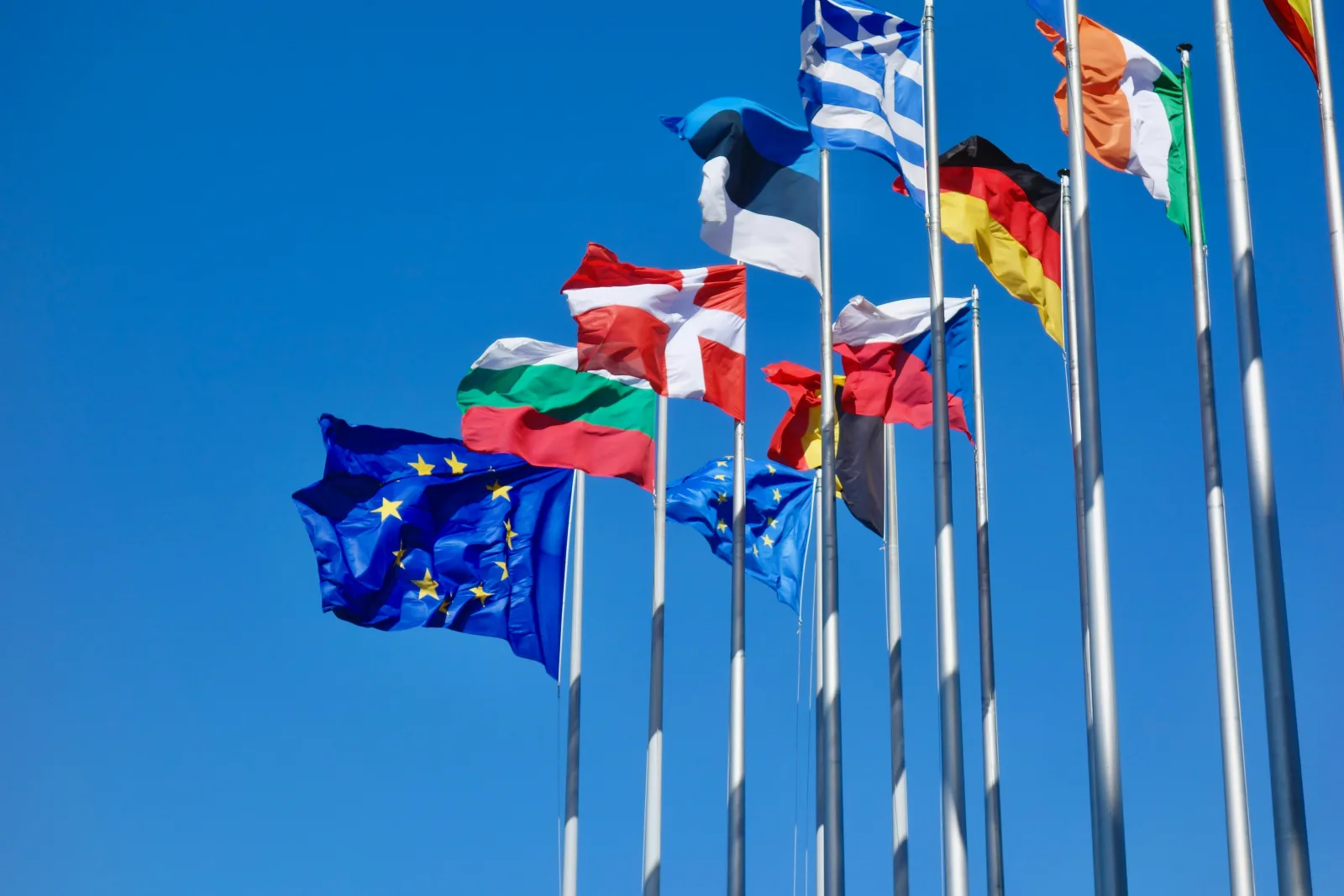
Canada and the European Union have announced a new partnership called the Alliance for the Future, and other like-minded countries are welcome to join, according to The Guardian.
Prime Minister Mark Carney and European Commission President Ursula von der Leyen presented the alliance on Friday in Montreal as their two-day summit ended, the newspaper reported. They described it as a way to protect citizens and to guard against unpredictable geopolitics.
"Our societies have been shaken by new storms," Carney told reporters. According to The Guardian, he was referring to the climate emergency, the erosion of democratic norms and the use of trade as a weapon.
At the summit, Canada agreed to contribute to a €90bn support loan for Ukraine. Leaders also said future talks would lead to a more integrated market worth tens of billions of dollars, fewer trade and travel restrictions, and new educational opportunities. A separate agreement will bring Canada into Europe's supercomputing network, giving Canadians access to European machines to train AI models.
The Guardian linked the alliance to Canada's trade war with the United States and to concern in Ottawa about relying on American companies, especially for defence. The newspaper reported that Elon Musk throttled Starlink and Starshield speeds over Ukraine in mid-October, severely disrupting Ukrainian military operations. Musk, a dual Canadian citizen, has criticised Canada's governing Liberal party.
Carney pointed to a planned merger between Canadian AI company Cohere Inc and Germany's Aleph Alpha GmbH as a step away from dependence on American AI firms. The Canadian government has announced a stake in Cohere worth up to C$1.6bn, The Guardian reported.
“We are not waiting for the future of AI to be decided somewhere else by those we don't know, or by whom we don't trust.”Mark Carney, Prime Minister of Canada
Von der Leyen tied the partnership to the cost of living. "When trade becomes a tool of economic pressure, it's the families that pay the price, from the supermarket shelf to the cost of a new car," she said.
Much remains undecided. Both leaders again raised the idea of Canada becoming an "associate membership" partner of the EU, but they said a clearer scope for the role would come at a 2027 summit. According to The Guardian, some EU members object to the idea, and Germany and other states worked to remove the phrase from a draft summit statement.
The report does not say how much Canada will contribute to the Ukraine loan, when the market and travel changes might take effect, or whether any other countries have shown interest in joining.
The summit also caused friction in Quebec. Premier Paul St-Pierre Plamondon, whose separatist Parti Québécois recently formed a minority government, skipped the event after Ottawa refused to let him speak publicly at it, The Guardian reported.