NASA safety adviser cites estimate of 22 Starship flights to fuel a Moon lander; Musk says it is too high
A member of NASA's Aerospace Safety Advisory Panel gave the figure at a quarterly meeting. Elon Musk replied that the real number will be closer to 6 to 8.
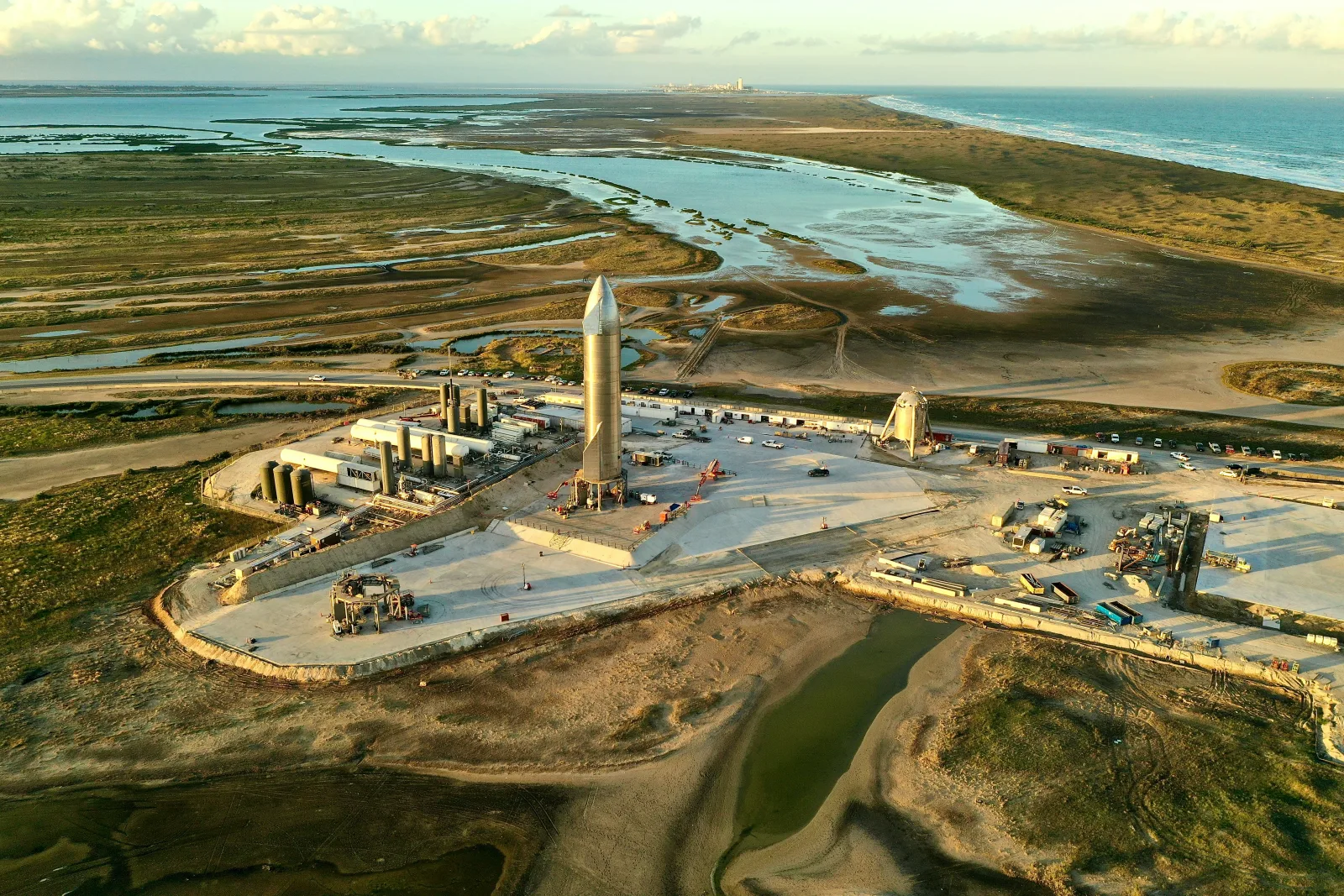
A member of NASA's Aerospace Safety Advisory Panel said the latest estimate for the number of flights needed to fuel a Starship lunar lander is about 22, according to Ars Technica, the only source for this report.
Charlie Precourt, a former NASA astronaut, spoke about risks to the Artemis Program at the panel's quarterly meeting on Thursday, Ars Technica reported.
“"With respect to Artemis IV, however, we've got a large number of firsts that reduce the likelihood of mission success. We need to keep our eyes on numerous required fuelings for the lander. I think the last estimate is around 22 flights."”Charlie Precourt, NASA Aerospace Safety Advisory Panel
Precourt did not name Starship. Ars Technica wrote that he could only have meant the SpaceX vehicle, because NASA's other human lunar lander, Blue Origin's Blue Moon, will not use orbital refueling in its initial mission design. The outlet said the panel almost certainly got the figure from NASA officials.
After Ars Technica posted the estimate on X, SpaceX founder Elon Musk disputed it. "That's way too high," Musk said. "Actual number will be more like 6 to 8."
The number matters because a Starship lander has to be filled with liquid oxygen and methane in low-Earth orbit before it can fly to the Moon, land and return to lunar orbit. Each load of propellant needs its own launch. Ars Technica reported that some NASA officials are concerned SpaceX may not raise Starship's lift capacity, which would cut the number of tanker flights, soon enough for the rocket to play a meaningful role in returning humans to the Moon this decade.
According to the outlet, NASA has long declined to give a firm figure. In 2023, Lisa Watson-Morgan, then director of NASA's Human Landing System, told Ars Technica, "We have a general idea, but I'm reluctant to say exactly what that is." She later put the number in the "high single digits to the low double digits," while other officials have said "high teens."
Ars Technica estimated that even if SpaceX reaches twice-weekly launches by the end of 2027, fueling a depot for a landing would still take about three months.
Some key questions are still open. Ars Technica reported that it remains very uncertain how much cryogenic propellant will boil off in orbit and how efficient ship-to-ship transfers will be. NASA has not confirmed the 22-flight figure publicly, and the report does not say how Musk arrived at his lower estimate.
Precourt praised NASA chief Jared Isaacman and his team for looking for ways to help SpaceX and Blue Origin succeed with their landers. NASA is still working toward a human lunar landing in 2028, Ars Technica reported.