Europe's CRISTAL ice-monitoring satellite finishes assembly and passes first solar wing test
ESA says the polar ice satellite is moving into environmental testing ahead of a launch targeted for late 2027 to early 2028.
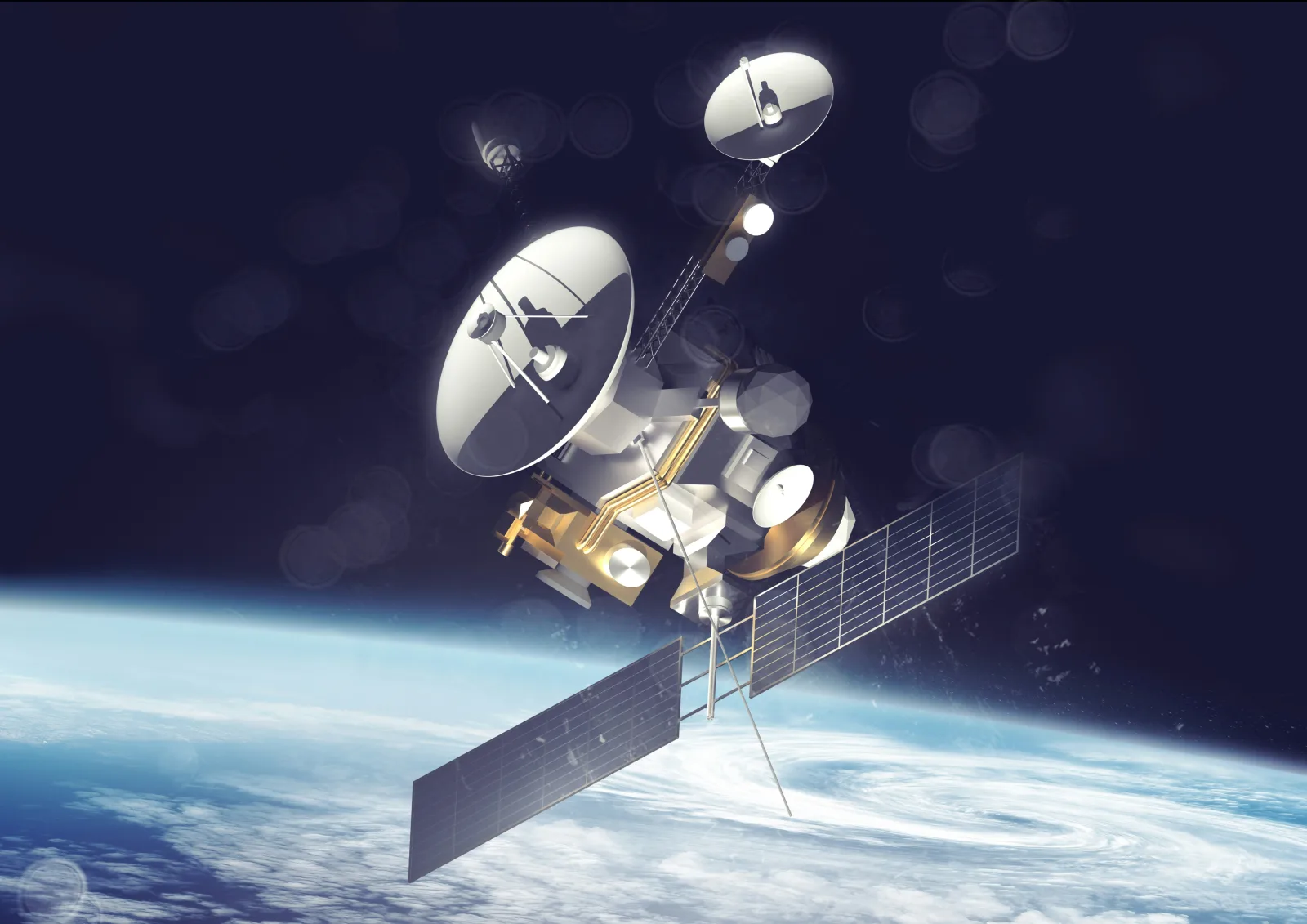
Europe's new ice-monitoring satellite, CRISTAL, has been fully assembled and has passed its first solar panel deployment test, according to the European Space Agency (ESA). This story rests on that one report.
ESA said engineers at Airbus' facilities in Friedrichshafen, Germany, finished assembling the satellite in September. The team then began testing the satellite's systems. The deployment test checks that the mechanisms and software sequences work together, so that the solar wings can open once the satellite is in orbit.
Working with launch service provider AVIO, the team also checked that the satellite fits on its launch adapter, the part that secures it to the rocket. They also checked that the release mechanism works so the satellite can separate from the rocket. At the same time, the project held its Intermediate Qualification Status Review, which looked at the status of the satellite's equipment, instruments and subsystems before satellite-level qualification tests.
“Everything is progressing very well and the satellite passed these tests with flying colours, for which I would like to thank everyone involved.”Kristof Gantois, ESA's CRISTAL Project Manager
Gantois said the satellite will move from Airbus to ESA's establishment in the Netherlands. He said it will spend most of next year there going through environmental tests to make sure it can withstand liftoff and the harsh environment of space.
ESA said the work matters because CRISTAL, short for Copernicus Polar Ice and Snow Topography Altimeter, is set to be the first Copernicus Sentinel Expansion mission to reach orbit. Launch is targeted for late 2027 to early 2028.
According to ESA, the satellite carries the first dual-frequency radar altimeter, along with a microwave radiometer. Together they will measure changes in sea-ice thickness, the depth of snow on top of the ice, and ice-sheet elevation. ESA said the mission will continue radar altimetry records of ice elevation for at least the next two decades, following missions such as its CryoSat research satellite.
The agency said the data will support maritime activities in polar oceans, work on coastal and inland waters, and monitoring of ocean topography. It also said the mission will help scientists better understand climate processes and their impacts. A second satellite, CRISTAL-B, is planned to launch towards the end of the first satellite's working life.
Several things are not yet known. ESA's report does not give an exact launch date, name the rocket, or say when CRISTAL-B will launch. It does not give detailed results from the qualification review. The environmental test campaign in the Netherlands has not yet taken place, so whether the satellite will pass those tests is still to be seen.