Serbia's Vučić ousted by student movement months after Orbán's fall in Hungary
The BBC reports close parallels between the two defeats, including Hungarian activists who trained Serbian election monitors.
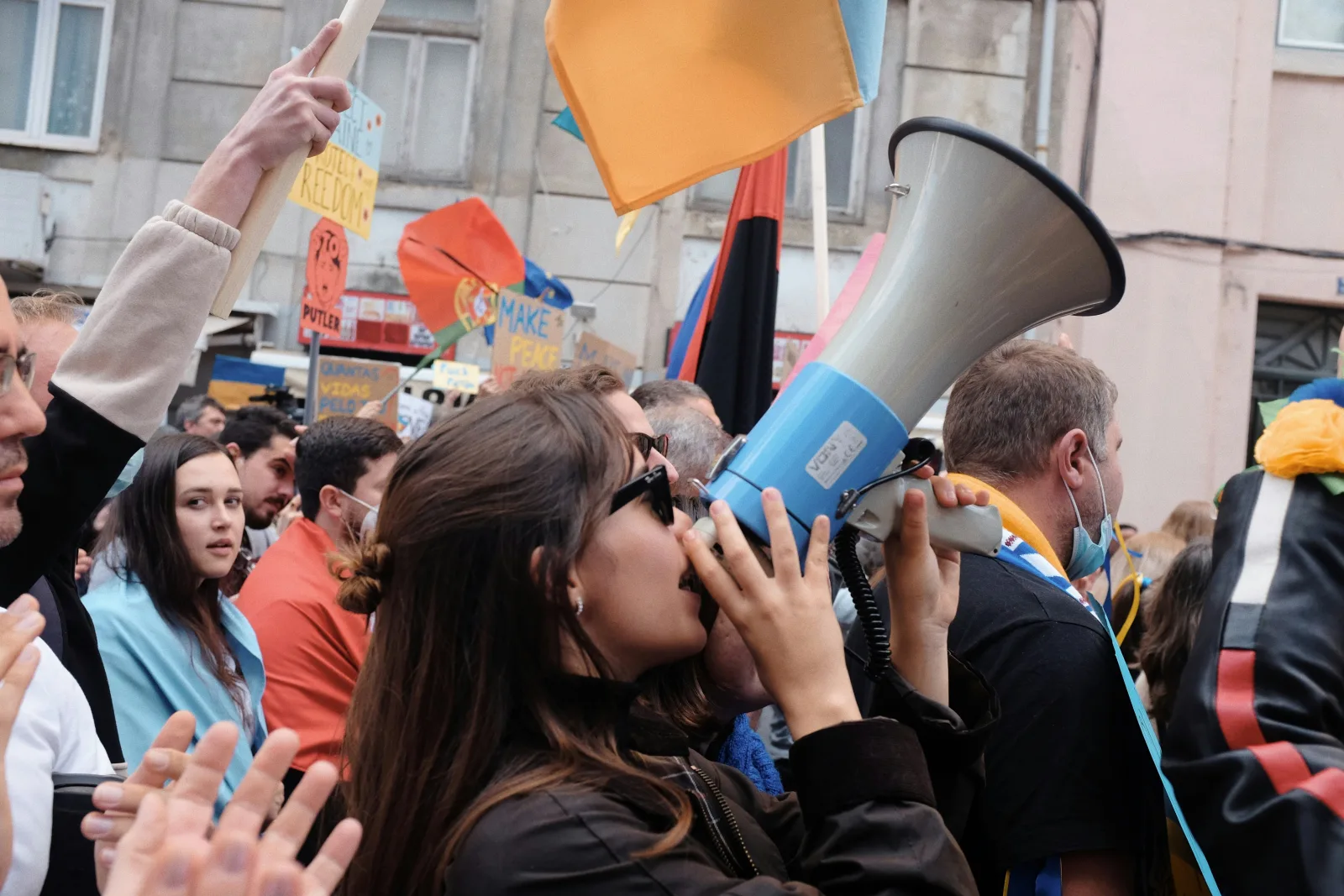
A student movement less than two years old won Serbia's parliamentary elections by a landslide last Sunday, ending President Aleksandar Vučić's time in power, according to the BBC. The Student List will have 140 seats in the 250-seat parliament.
The result came months after Hungarian Prime Minister Viktor Orbán was defeated in April by Péter Magyar's Tisza party. In a single report, the BBC set out a series of parallels between the two defeats.
Vučić admitted defeat at exactly 21:30 on Sunday evening, the same time Orbán conceded on 12 April, the BBC reported. Few observers expected either man to concede peacefully. An hour before polls closed, masked and hooded vigilantes took up position in central Belgrade. Similar groups were photographed at many polling stations, where election monitors blocked them.
Turnout was 69% in Serbia and 79% in Hungary. The BBC said tech-savvy young people in both countries drove it, using AI tools to crunch numbers, identify threats to the vote and mobilise tens of thousands of election monitors.
Hungarian activists shared their methods directly. The DE civic action group held workshops with Serbian students over the summer and sent 70 monitors to the province of Vojvodina last weekend. A key technique was to identify "infected" polling districts in advance, where surprisingly high past votes for the governing party suggested intimidation or "chain voting".
Péter Klemm, a student activist from Subotica, told the BBC that groups of masked Vučić supporters gathered near polling stations from around 16:00. "So we sent mobile teams, and started filming everything," he said. He believes that 20 to 30 volunteers at each threatened station deterred intimidation or fraud.
The two defeats matter because both leaders looked invincible, the BBC reported. Orbán and Vučić held office for 16 and 14 years, took over state institutions and built business empires that overlapped the two countries. They also shared friendships with Vladimir Putin and Xi Jinping.
Orbán, 63, and Vučić, 56, may now face prosecution for corruption and abuse of power, according to the BBC. Hungarian companies close to Orbán were involved in the Novi Sad railway station project. The station's canopy collapsed on 1 November 2024, killing 16 people, and that disaster set off the Serbian student movement.
Some things remain unclear. There has been speculation that Vučić phoned Orbán twice on Sunday night to ask for advice, and that Orbán persuaded him not to use force. Vučić denies speaking to Orbán before he conceded but acknowledges a later call at 23:15. Orbán declined to comment when the BBC contacted him. The report does not say whether any prosecutions have begun.
Magyar was the only European leader to call the students directly that evening, the BBC said.
“"It is always good to hear that the story of Tisza could provide an inspiration for other nations."”Péter Magyar, Hungarian prime minister