Judge dismisses Trump's $10bn lawsuit against Wall Street Journal over Epstein birthday book
A US judge threw out the defamation case with prejudice, ruling that it ran counter to the First Amendment, the BBC reported.
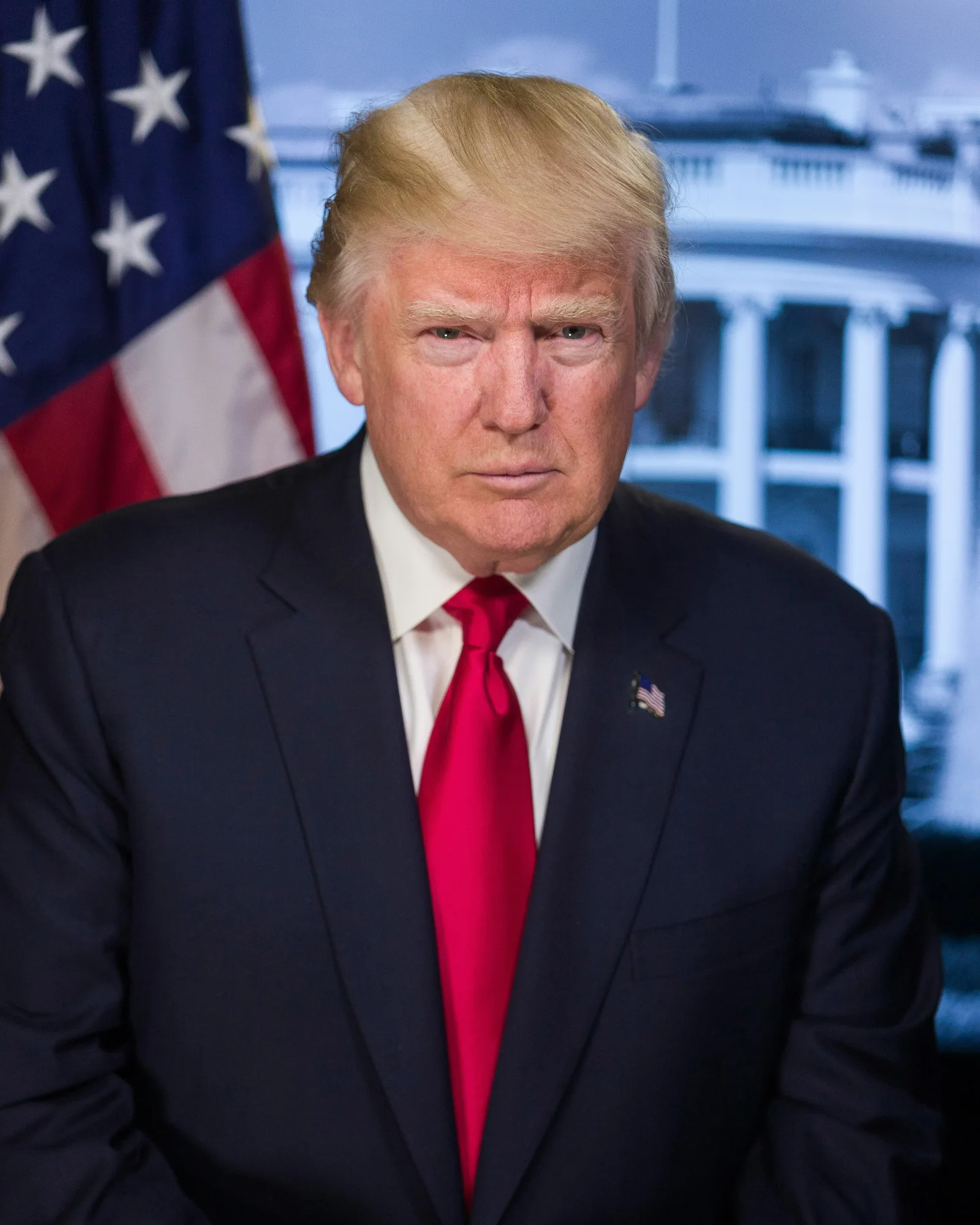
A US judge has dismissed President Donald Trump's $10bn defamation lawsuit against The Wall Street Journal, according to the BBC. The judge said the suit was "grasping at straws".
Trump sued the paper's parent company, Dow Jones, and its leader Rupert Murdoch after the Journal reported on a letter allegedly written by Trump to Jeffrey Epstein. The BBC described Epstein as a disgraced financier and sex offender. According to the report, the letter was part of a book made for Epstein's 50th birthday in 2003, before he was charged with sex crimes.
Trump has denied writing or signing the letter. The BBC said it included suggestive language and a drawing of the outline of a woman's body. Trump called the letter "fake" and alleged that the defendants made up the story to defame him.
Judge Darrin Gayles had already dismissed the lawsuit once, when it sought $20bn in damages. Trump's team refiled it seeking $10bn. This time the judge threw the case out "with prejudice", which means it cannot be filed again, the BBC reported.
The ruling matters because of what it says about press freedom. Gayles found that the suit ran counter to the First Amendment. He wrote that Trump's legal team had not proved the defendants acted with "actual malice", which the law requires. The BBC explained that this standard means showing a defendant knew a defamatory statement was false, or acted with reckless disregard for whether it was true.
In his 20-page ruling, Gayles pointed to the paper's "thoughtful and detailed investigation". He said the lawsuit tried to "manufacture flaws" in its work.
Trump's lawyers had argued that because Trump denied writing the letter when the Journal contacted him, the paper should have "disregarded everything else they learned in their investigation and not published the story", Gayles wrote. The judge rejected that argument.
“But that is not what the actual malice standard requires and runs afoul of the First Amendment.”Darrin Gayles, US judge
If that were the law, Gayles wrote, "any time a public figure or his team denies an accusation, journalists would be immediately blocked from publishing negative or contradictory press".
The BBC said the Journal's story came as the Trump administration faced intense criticism from both parties over its handling of Epstein documents.
Several questions remain open. The BBC report does not say whether Trump or his lawyers plan to appeal, and it includes no response from Trump's team, Dow Jones or Murdoch. The ruling turned on the actual malice standard, so the report does not settle who wrote the letter. Trump continues to deny that he did.