Guide points RVing snowbirds to desert camping areas beyond Quartzsite's La Posa
RVtravel describes several other BLM Long-Term Visitor Areas where one seasonal permit covers winter boondocking in Arizona and California.
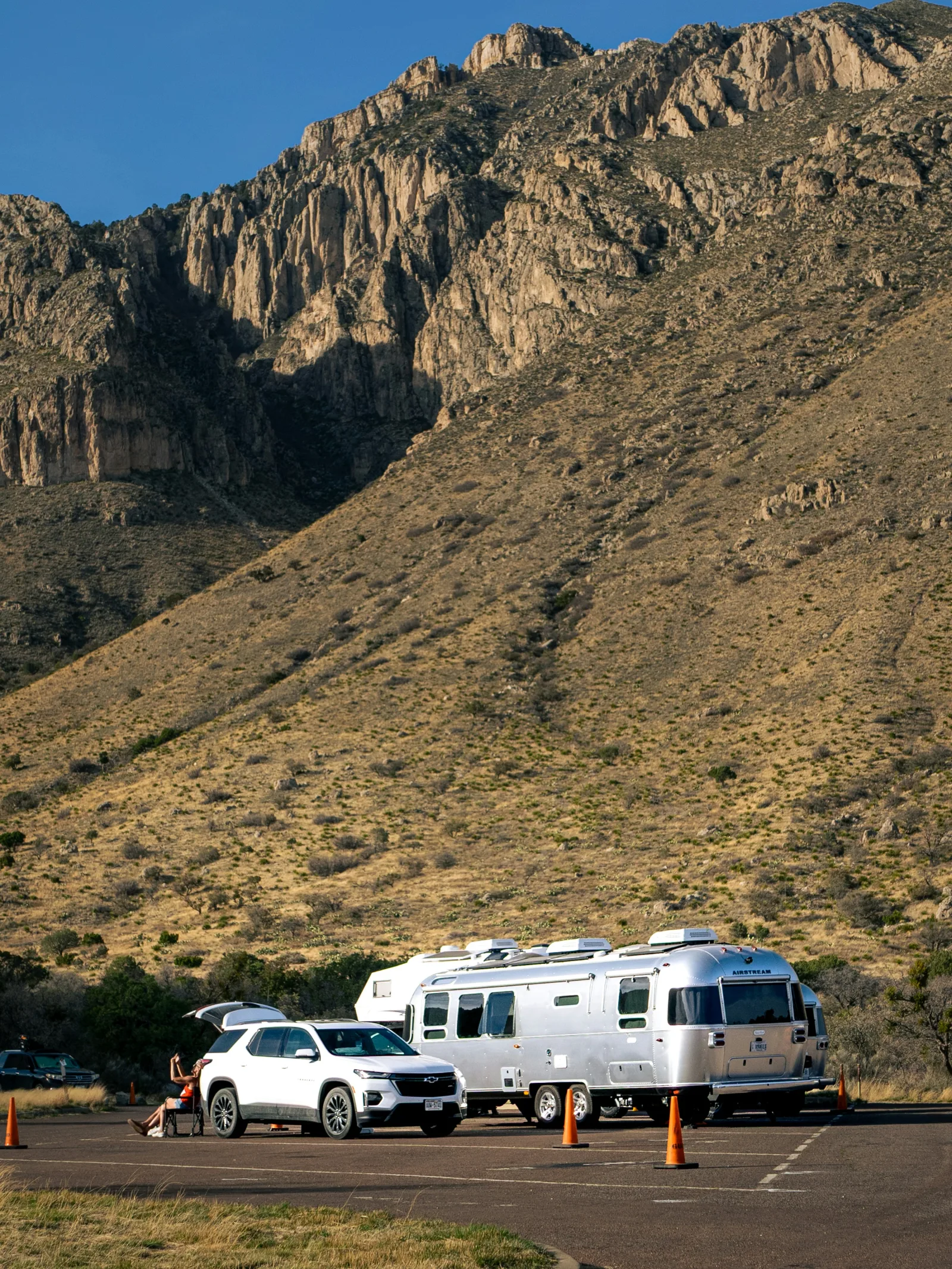
RVers who spend the winter in the desert have several choices besides the crowded La Posa Long-Term Visitor Areas (LTVAs) in Quartzsite, Arizona, according to a guide published by RVtravel. The Bureau of Land Management (BLM) runs those other LTVAs, and the same permit covers them.
RVtravel reported that a $180 seasonal permit allows camping at designated LTVAs from September 15 through April 15, and a $40 permit covers a 14-day stay. Permit holders can move among participating LTVAs in Arizona and California without paying another camping fee.
La Posa covers about 11,400 acres in four sections, the outlet said. Camping near town gets crowded, but there is room for quieter spots farther out. La Posa South has water, dump stations and trash disposal.
The guide describes several alternatives:
Hot Springs LTVA has a historic hot spring that is still active. It offers trash disposal but limited services.
Imperial Dam offers boating, fishing, swimming and hiking, with restrooms, outdoor showers, dump stations and trash service. Senator Wash Reservoir is nearby. RVtravel warned that winds can be strong there and that wild burros roam the area, and advised visitors to keep their distance and never feed them.
Midland offers wide-open desert camping in the Colorado Desert, close to the Colorado River and to shopping in Blythe. It has no vault toilets, so RVs must be fully self-contained.
Pilot Knob sits near the California-Arizona border, with access to shops and services in the Yuma area. According to the guide, General George Patton's troops trained nearby during World War II, and a historic marker commemorates the training camp.
Tamarisk, along Highway 98 west of Winterhaven, California, is the smallest of the LTVAs managed by the BLM's El Centro Field Office. RVtravel described it as remote and suited to campers who want solitude and wildlife watching more than facilities.
These options matter because they let winter RVers who want a different landscape, other kinds of recreation or a quieter setting keep the low cost and flexibility of LTVA camping. The guide stressed that all of these sites are boondocking areas. None has hookups, and only some have trash dumpsters or vault toilets.
The guide leaves several questions open. It does not say how many LTVAs take part in the program in total, how to buy a permit, or how crowded each alternative site gets during the season. Apart from Tamarisk and Midland, it says little about where each area is located. It also does not say what services Pilot Knob has. RVtravel pointed readers to a separate page for more detail on how the LTVA program works.